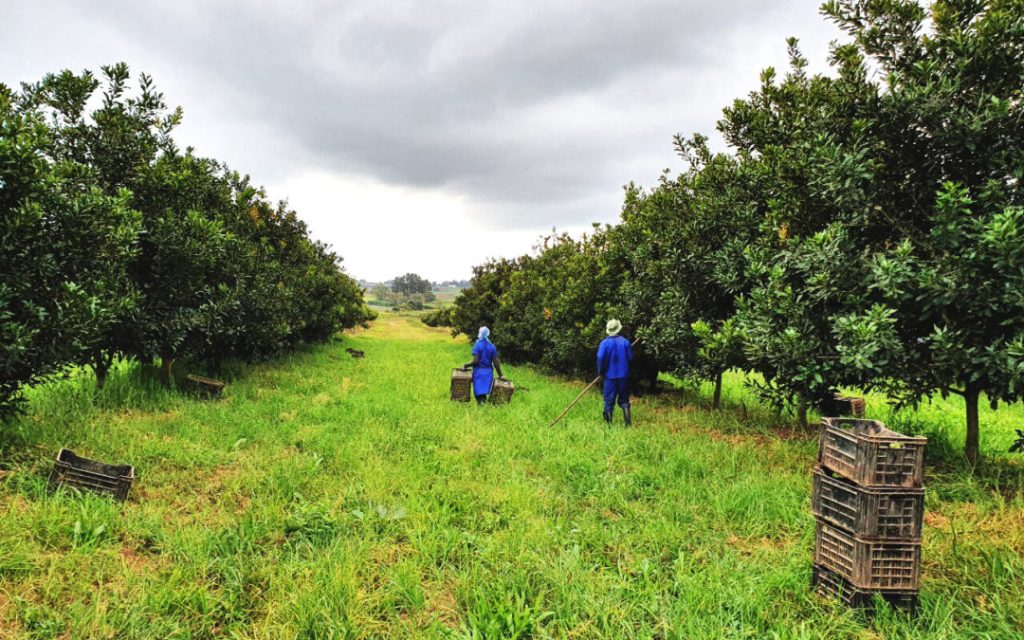
Agriculture continues to play a major role in South Africa’s economy, and in 2026, farming and agricultural learnerships are becoming one of the best opportunities for unemployed youth looking to gain skills, work experience, and monthly financial support.
The Emapulazini Learnership Programme 2026 is designed to help young South Africans build careers in agriculture and farming while receiving practical training and workplace exposure. For many unemployed individuals, these programmes create a pathway toward long-term employment, entrepreneurship, and financial stability.
With rising unemployment levels and increasing demand for skilled agricultural workers, learnerships in the farming sector are becoming more important than ever before. These opportunities provide practical skills that can help young people secure jobs in farming, food production, logistics, livestock management, irrigation, and agricultural business operations.
At the same time, agriculture remains one of the industries with long-term growth potential in South Africa. Food production, farming technology, and agricultural development continue to expand, creating new opportunities for skilled workers and entrepreneurs.
For many young South Africans, joining an agricultural learnership programme may become the first step toward building a stable and sustainable future.
What Is the Emapulazini Learnership Programme 2026?
The Emapulazini Learnership Programme 2026 is a general agricultural and farming skills development programme designed to help unemployed youth gain practical experience in the agriculture sector.
The programme combines:
- Practical farming experience
- Classroom-based learning
- Agricultural skills training
- Workplace exposure
- Monthly stipend support
Participants receive training while working in real agricultural environments such as:
- Farms
- Agricultural businesses
- Livestock facilities
- Crop production sites
- Food processing environments
These learnerships help young people understand both the practical and business sides of agriculture.
Useful Links:
Why Agriculture Learnerships Are Important in South Africa
Agriculture is one of the most essential sectors in South Africa because it supports:
- Food production
- Employment creation
- Economic growth
- Rural development
As the population continues growing, the demand for food and agricultural products also increases. This creates ongoing demand for skilled agricultural workers.
Agricultural learnerships are important because they:
- Reduce unemployment
- Build practical skills
- Create work opportunities
- Support youth development
- Improve food production systems
For many rural communities, farming remains one of the largest sources of income and employment.
What Participants Learn During the Programme
Agricultural learnerships provide both theoretical and practical training.
Participants may learn:
- Crop farming techniques
- Livestock management
- Irrigation systems
- Soil preparation
- Plant maintenance
- Agricultural safety procedures
- Farm machinery basics
- Food handling procedures
Some programmes also teach:
- Business management
- Financial planning
- Agricultural administration
- Farm operations coordination
This combination of technical and business skills improves employability.
Practical Work Experience
One of the biggest advantages of agricultural learnerships is workplace exposure.
Many employers prefer candidates who already understand:
- Farm environments
- Agricultural equipment
- Teamwork
- Workplace discipline
- Production processes
Practical experience helps learners build confidence and understand real working conditions.
Participants often work alongside experienced farmers and agricultural professionals who guide them throughout the programme.
Monthly Stipends and Financial Support
Most agricultural learnership programmes provide monthly stipends to support participants during training.
Average stipend amounts may range between:
- R1,500 and R5,000 per month
Some programmes may also provide:
- Meals
- Accommodation assistance
- Protective clothing
- Transport support
Financial support helps learners focus on training without facing extreme financial pressure.
For many unemployed youth, receiving a stipend while learning becomes an important source of income.
Why Farming Skills Are Valuable
Agriculture is one of the industries that will always remain important because people will always need food and agricultural products.
Farming skills can lead to careers in:
- Commercial farming
- Livestock production
- Food processing
- Agricultural logistics
- Farm management
- Irrigation support
- Agricultural sales
These skills can also help individuals start small farming businesses and become self-employed.
Career Opportunities After Completing the Programme
Completing an agricultural learnership can open doors to various career opportunities.
Possible career paths include:
- Farm worker
- Livestock assistant
- Irrigation assistant
- Agricultural administrator
- Farm supervisor
- Crop production assistant
- Agricultural technician support
Some learners continue studying agriculture or related technical fields after completing the programme.
Opportunities for Entrepreneurship
Agricultural learnerships do not only prepare people for employment. They can also help individuals become entrepreneurs.
Skills learned during the programme may help participants start:
- Vegetable farming businesses
- Poultry farming operations
- Livestock projects
- Small agricultural supply businesses
Agriculture offers opportunities for both employment and self-employment.
Importance of Food Security in South Africa
Agriculture plays a major role in food security.
As climate change and economic challenges affect food systems globally, South Africa needs skilled agricultural workers who can improve production and support sustainable farming practices.
Learnership programmes help prepare young people to contribute to the future of food production.
Technology and Modern Farming
Modern agriculture is becoming increasingly technology-driven.
Some agricultural programmes now introduce learners to:
- Smart irrigation systems
- Digital farming tools
- Agricultural data systems
- Mechanized farming equipment
This helps prepare young workers for the future of agriculture.
Who Can Apply for Agricultural Learnerships?
Requirements vary depending on the programme.
Most programmes require:
- South African citizenship
- Age between 18 and above
- Grade 10, 11, or 12
- Unemployed status
Some programmes may prioritize:
- Rural youth
- Individuals interested in farming
- Candidates with basic agricultural knowledge
Many programmes accept applicants without previous experience.
Skills That Improve Your Chances of Selection
Applicants can improve their chances by developing:
- Communication skills
- Teamwork abilities
- Physical fitness
- Discipline and reliability
Basic understanding of farming or gardening may also help.
Why Youth Should Consider Agricultural Careers
Many young people overlook agriculture because they associate it only with traditional farming.
However, modern agriculture includes:
- Technology
- Business management
- Logistics
- Supply chain operations
- Digital systems
The industry now offers more career opportunities than many people realize.
Financial Stability Through Agriculture
Agricultural careers can help individuals build financial stability over time.
As workers gain experience, they may progress into:
- Supervisory positions
- Farm management roles
- Agricultural business ownership
Income opportunities increase with skills and experience.
Why Financial Planning Matters for Young Workers
Receiving a stipend or salary is only the beginning of financial growth.
Young workers should also learn:
- Budgeting
- Saving money
- Managing expenses
- Planning for emergencies
Financial discipline becomes important for long-term success.
Importance of Income Protection and Insurance
As people begin earning income, protecting financial stability becomes increasingly important.
Workers in physically demanding industries such as agriculture should understand the importance of:
- Health insurance
- Income protection plans
- Accident coverage
- Life insurance
Agricultural work sometimes involves physical risks, making financial protection valuable for workers and their families.
Common Mistakes Applicants Should Avoid
Many applicants lose opportunities because they:
- Submit incomplete applications
- Ignore deadlines
- Use incorrect contact details
- Fall for scams
Remember:
Legitimate learnership programmes do not require payment fees to apply.
Tips to Improve Your Chances of Acceptance
To improve your chances:
- Prepare a professional CV
- Apply early
- Apply to multiple programmes
- Stay updated on opportunities
- Improve communication skills
Consistency is important when searching for opportunities.
Future of Agriculture in South Africa
The future of agriculture remains strong because of increasing demand for:
- Food production
- Export crops
- Livestock products
- Agricultural technology
Government and private sector investments continue supporting agricultural development.
This means skilled agricultural workers are likely to remain in demand for many years.
Why Learnerships Matter for Economic Growth
Learnership programmes help:
- Reduce unemployment
- Build workforce skills
- Support economic development
- Improve productivity
They also create opportunities for youth who may not have access to university education.
The Role of Agriculture in Rural Development
Agricultural programmes can strengthen rural communities by:
- Creating jobs
- Supporting local economies
- Improving food production
- Encouraging entrepreneurship
This contributes to long-term community development.
Final Thoughts
The Emapulazini Learnership Programme 2026 represents more than just a training opportunity. It offers young South Africans a pathway toward skills development, financial support, work experience, and long-term career opportunities in the agricultural sector.
For unemployed youth, agricultural learnerships provide:
- Practical skills
- Workplace experience
- Monthly stipends
- Career growth opportunities
- Entrepreneurial possibilities
- APPLY AND FILL A FORM HERE
As South Africa continues investing in food production and agricultural development, skilled workers will remain important for the country’s future.
For many young people, joining an agricultural learnership programme could become the first step toward financial independence, career growth, and long-term stability.