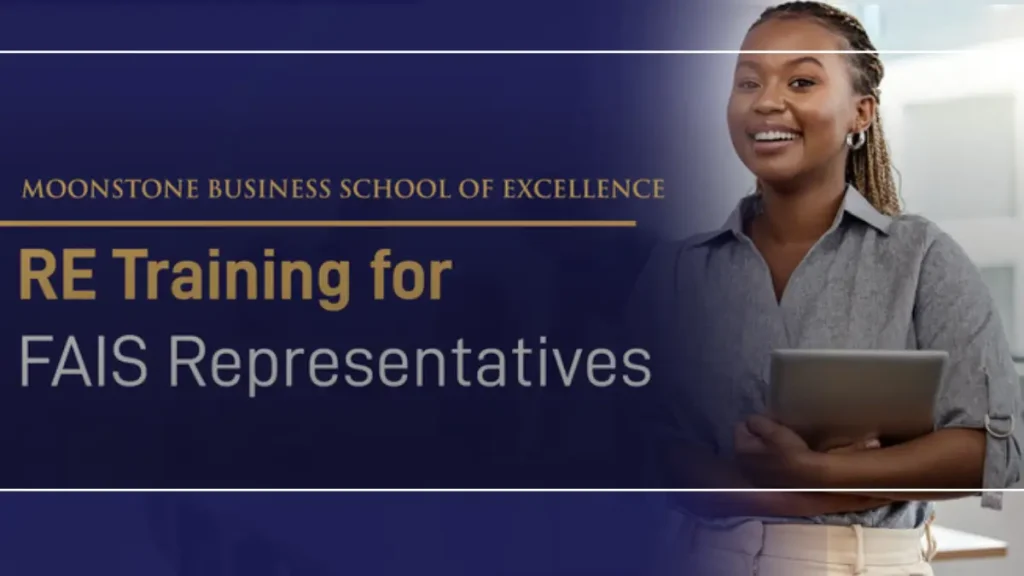
The future of education and employment is changing faster than ever before. Across the world, thousands of students, unemployed youth, recent graduates, and working professionals are turning to online and remote learnerships to gain practical experience, improve their qualifications, and earn income while learning valuable skills.
In 2026, remote learnerships are expected to become one of the biggest opportunities for people who want to study and work without relocating, paying expensive tuition fees, or commuting daily. Companies are increasingly investing in digital training programs because they help create skilled workers while reducing operational costs. At the same time, governments and private organizations are supporting learnership initiatives to reduce unemployment and prepare young people for the digital economy.
Whether you want to enter the fields of finance, technology, customer service, digital marketing, healthcare administration, insurance, business management, cybersecurity, or remote support services, there are now more opportunities than ever to learn online while building real-world experience.
This guide explains everything you need to know about online and remote learnerships in 2026, including how they work, who qualifies, how much you can earn, the industries hiring the most remote learners, and how to increase your chances of getting accepted.
What Is an Online or Remote Learnership?
An online or remote learnership is a structured training program that combines education with practical work experience, but instead of attending physical classes or offices daily, participants complete most or all activities online.
These learnerships usually include:
- Virtual training sessions
- Online coursework
- Remote projects
- Mentorship and coaching
- Digital assessments
- Work-from-home tasks
- Industry certification opportunities
Many remote learnerships are fully funded by employers, government agencies, training providers, or corporate development programs. Some even pay monthly stipends to help learners cover internet costs, transportation needs, meals, or living expenses.
The biggest advantage is flexibility. Learners can often study from home using a smartphone, tablet, or laptop while gaining professional experience in fast-growing industries.
Why Online Learnerships Are Growing Rapidly in 2026
Several major trends are driving the growth of remote learning and virtual employment opportunities.
Useful Links:
1. Companies Need Digital Skills
Businesses now rely heavily on online systems, cloud platforms, remote teams, and digital customer service. Employers need workers trained in modern digital tools and communication platforms.
2. Remote Work Is Becoming Permanent
Many companies discovered that remote employees can work effectively from anywhere. This has created demand for workers who already understand remote collaboration tools and digital workflows.
3. Youth Unemployment Challenges
Governments and private companies are investing in skills development programs to help young people gain employable skills quickly.
4. Lower Costs for Learners
Online learnerships remove many traditional costs associated with education, such as accommodation, transport, uniforms, and physical textbooks.
5. Flexible Learning Opportunities
Students and working adults can participate without leaving existing responsibilities behind.
Top Industries Offering Remote Learnerships in 2026
Some sectors are investing heavily in online skills training because digital operations continue expanding globally.
Finance and Banking
The finance sector is one of the largest recruiters of online learners. Banks, fintech startups, insurance providers, and accounting firms are hiring remote trainees in areas such as:
- Digital banking support
- Financial administration
- Fraud detection
- Customer support
- Claims processing
- Data capturing
- Credit management
- Financial technology services
These industries value candidates who understand online communication, customer service, and digital systems.
Insurance
Insurance companies are rapidly digitizing their operations. Many insurers now process claims, customer applications, and policy management remotely.
Popular insurance learnership fields include:
- Claims administration
- Customer relationship management
- Insurance sales support
- Underwriting assistance
- Compliance administration
- Digital policy services
Insurance companies often invest heavily in workforce development because skilled employees improve customer satisfaction and operational efficiency.
Information Technology
Technology remains one of the fastest-growing sectors globally.
Remote IT learnerships commonly focus on:
- Software development
- Web design
- Technical support
- Cloud computing
- Cybersecurity
- Data analysis
- Artificial intelligence support
- IT helpdesk operations
Even entry-level learners can build highly valuable careers in technology.
Digital Marketing
Businesses need online visibility to compete effectively. As a result, digital marketing learnerships are booming.
Training may include:
- Social media management
- Content creation
- Search engine optimization
- Paid advertising
- Graphic design
- Video editing
- Email marketing
- Analytics reporting
Healthcare Administration
While clinical work often requires physical presence, many healthcare support functions can now be completed remotely.
Examples include:
- Medical administration
- Patient scheduling
- Virtual reception services
- Healthcare billing
- Medical records management
Customer Service and Business Support
Remote customer support roles continue expanding globally.
Learnerships may involve:
- Virtual call center support
- Online chat assistance
- Technical customer service
- Administrative support
- Appointment scheduling
Benefits of Online Learnerships
Learn While Earning
Many programs provide monthly stipends or salaries while learners gain experience.
Gain Real Experience
Unlike purely academic programs, learnerships provide workplace exposure and practical skills.
Improve Employability
Employers often prefer candidates with hands-on experience rather than theoretical qualifications only.
Build Professional Networks
Learners interact with mentors, trainers, and professionals who may open future career opportunities.
Flexible Access
Many programs allow learners to study from home using internet-connected devices.
Lower Financial Pressure
Remote learning reduces commuting, accommodation, and other educational costs.
Who Can Apply for Remote Learnerships?
Eligibility requirements vary depending on the employer and program.
Common requirements include:
- High school certificate or equivalent
- Basic computer literacy
- Internet access
- Good communication skills
- Motivation to learn
- Ability to work independently
Some advanced programs may require:
- Prior qualifications
- Industry knowledge
- Technical skills
- Specific software experience
However, many entry-level opportunities welcome beginners with little or no experience.
Skills That Increase Your Chances of Acceptance
Competition for quality learnerships can be high, especially for fully funded programs.
These skills can improve your application significantly:
Communication Skills
Remote workers must communicate clearly through email, messaging apps, and virtual meetings.
Time Management
Online learners must manage schedules independently.
Digital Literacy
Basic understanding of computers, internet browsing, online collaboration tools, and productivity software is highly valuable.
Problem-Solving Ability
Employers value learners who can think independently and handle challenges effectively.
Adaptability
Remote environments evolve quickly, especially in technology-driven industries.
How Much Do Online Learnerships Pay?
Stipends and salaries vary depending on industry, country, employer, and experience level.
Typical monthly stipends may range from:
- Entry-level programs: modest support allowances
- Technical programs: higher stipends
- Corporate-sponsored programs: competitive compensation packages
Some learners eventually transition into permanent employment with significantly higher salaries after completing their training.
Technology, finance, insurance, and cybersecurity learnerships often provide some of the strongest earning potential.
How to Find Legitimate Remote Learnerships
Because online opportunities are increasing rapidly, scams are also becoming more common. It is important to apply carefully and verify opportunities before sharing personal information.
Look for Official Company Websites
Reputable employers usually advertise programs on official career pages.
Research the Organization
Check reviews, social media pages, and company registration details.
Avoid Upfront Payment Requests
Legitimate learnerships generally do not require large registration fees.
Verify Contact Information
Professional companies use official business emails and communication channels.
Check Application Deadlines Carefully
Late applications are often rejected automatically.
Tips for Creating a Strong Application
Create a Professional CV
Even with limited experience, include:
- Education
- Volunteer work
- Online courses
- Computer skills
- Communication abilities
Write a Motivational Letter
Explain:
- Why you want the learnership
- Your career goals
- Your willingness to learn
- Why you are suitable
Prepare for Online Interviews
Practice speaking clearly and professionally during video calls.
Improve Your Online Presence
Professional social media profiles and LinkedIn accounts can help recruiters notice you.
Most In-Demand Remote Skills for 2026
Experts predict strong demand in several digital skill areas.
Cybersecurity
Businesses need protection against online threats and data breaches.
Artificial Intelligence Support
AI-related services are expanding across multiple industries.
Financial Technology
Digital banking and online financial services continue growing rapidly.
Data Analytics
Companies rely heavily on data-driven decision-making.
Cloud Computing
Remote infrastructure and cloud platforms remain essential for businesses.
Insurance Technology
Insurance companies increasingly automate claims and customer service systems.
Challenges of Remote Learnerships
Although online learning offers flexibility, it also comes with challenges.
Internet Costs
Stable internet access may be expensive in some areas.
Self-Discipline Requirements
Remote learning requires motivation and consistency.
Limited Face-to-Face Interaction
Some learners miss physical classroom environments.
Technical Problems
Power outages, software issues, or connectivity problems can affect participation.
Despite these challenges, many learners still prefer online opportunities because of the long-term benefits.
Best Devices for Remote Learning
You do not always need expensive equipment to succeed.
Helpful devices include:
- Smartphones
- Budget laptops
- Tablets
- Headsets with microphones
- Reliable internet routers
Many platforms are now optimized for mobile learning, making remote education more accessible.
Why Employers Prefer Learnership Graduates
Learnership graduates often adapt faster to workplace environments because they already understand:
- Team collaboration
- Deadlines
- Professional communication
- Industry systems
- Workplace expectations
Employers also benefit because they help train workers according to company standards from the beginning.
How Remote Learnerships Support Economic Growth
Remote training programs help economies in several ways.
Reducing Unemployment
Young people gain marketable skills and work experience.
Expanding Digital Economies
Countries build stronger technology and online service sectors.
Increasing Financial Inclusion
Digital banking and insurance services reach more people through trained remote professionals.
Supporting Entrepreneurship
Many learners later start freelance businesses or online agencies.
The Future of Online Learning and Remote Careers
Experts believe remote work and online training will continue expanding far beyond 2026.
Future trends may include:
- AI-powered training platforms
- Virtual reality classrooms
- Global remote internships
- International digital apprenticeships
- Hybrid learning models
- Personalized online education
- APPLYHERE FOR ADMIN ASSISTANT
- FILL A FORM FOR LEARNERSHIP HERE
As industries evolve, workers who continuously update their skills will have stronger career opportunities.
Final Thoughts
Online and remote learnerships in 2026 are opening doors for millions of people who want flexible, affordable, and career-focused training opportunities. Whether you are interested in finance, insurance, technology, healthcare administration, customer support, or digital marketing, there are growing opportunities to build valuable skills from home.
The digital economy is creating demand for workers who can communicate effectively online, solve problems independently, and adapt to modern technology-driven workplaces. Learners who take advantage of remote training opportunities today may position themselves for long-term career success tomorrow.
If you are serious about improving your future, increasing your income potential, and building professional experience, now may be the perfect time to start researching online and remote learnership opportunities for 2026.
The world of work is changing quickly — and those willing to learn new skills remotely may become some of the biggest winners in the years ahead.