How to Improve Your Credit Score in South Africa: 10 Practical Steps That Can Strengthen Your Credit Profile
A low credit score can make borrowing more difficult and may affect the terms offered when you apply for credit. Whether you are planning to finance a car, apply for a personal loan, rent a property or eventually buy a home, understanding your credit profile can help you make better financial decisions.
The good news is that a damaged credit profile can be rebuilt over time. There is no legitimate shortcut that instantly transforms a poor score into an excellent one. The most reliable approach is to correct inaccurate information, pay accounts on time, reduce problematic debt and maintain responsible credit behaviour consistently.
In South Africa, credit bureaus collect information about consumers’ credit behaviour, while lenders use their own assessment processes when deciding whether to approve applications. Your credit score is therefore important, but it is not the only factor a lender considers. Income, affordability, existing debt, employment information and the type of credit being requested can also influence a decision.
This guide explains practical steps South Africans can take to improve their credit profiles in 2026.
What Is a Credit Score?
A credit score is a numerical representation of information contained in your credit profile. It is designed to indicate how you have historically managed credit.
For example, information that can contribute to a credit profile includes:
- Repayment behaviour
- Credit accounts
- Outstanding balances
- Missed or late payments
- Credit applications and enquiries
- Judgments and other public records
- The age and history of accounts
Different credit bureaus and lenders can use different scoring models.
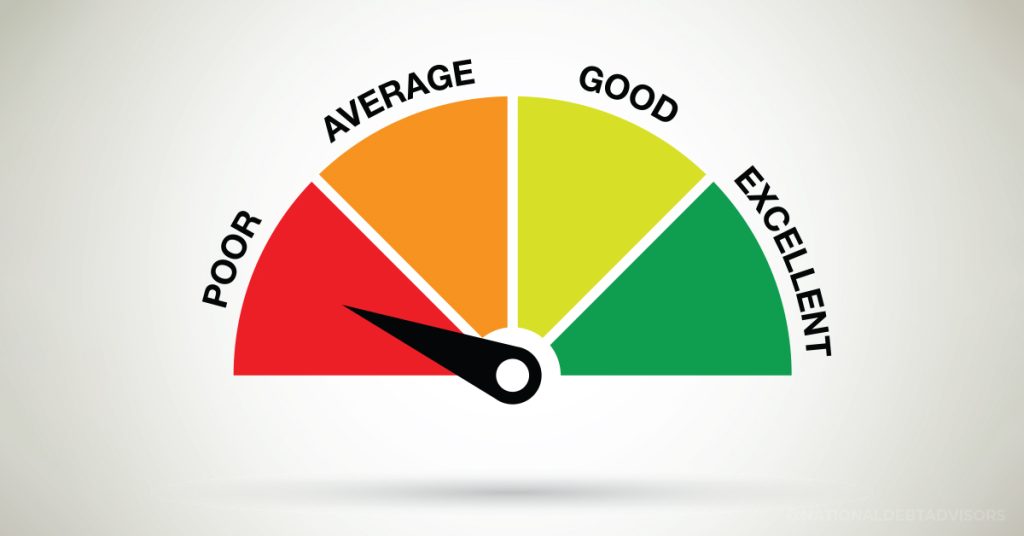
For example, TransUnion South Africa’s consumer score ranges from 0 to 999, while its published bands range from poor through to excellent. TransUnion also makes clear that its consumer score is an educational scorecard and that lenders can use their own scoring models and additional information when assessing applications.
That means there is no single number that automatically guarantees approval for a car loan, home loan or personal loan.
Useful Links:
10 Ways to Improve Your Credit Score in South Africa
1. Check Your Credit Report Before Applying for More Credit
One of the first steps should be finding out what is actually appearing on your credit profile.
You may discover:
- Accounts you forgot about
- Incorrect personal information
- Payments incorrectly recorded as missed
- Accounts that you have already settled
- Unrecognised credit enquiries
- Incorrect outstanding balances
- Information relating to another person
- Potential signs of identity fraud
The National Credit Act gives consumers the right to obtain a free credit bureau record once a year.
Some credit bureaus also offer their own free consumer-report services. For example, Experian South Africa currently provides consumers with access to a free credit report and score through its Up platform.
Checking your report before applying for new credit can therefore be more useful than simply looking at a score.
Why?
Because your score tells you what the result looks like, while your credit report can help you understand what information is contributing to that result.
2. Pay Your Accounts on Time
Payment history is one of the most important areas to focus on when rebuilding your credit profile.
If you regularly miss instalments, your credit profile can reflect that behaviour.
A practical strategy is to make your credit payments part of your monthly budget rather than waiting until the due date.
For example, if your salary arrives at the end of the month, you can create a monthly payment checklist immediately after receiving your income.
Your list could include:
- Personal loan
- Credit card
- Retail account
- Vehicle finance
- Home loan
- Cellphone contract
- Other credit commitments
Automated payments or debit orders can also help prevent accidental missed payments.
TransUnion specifically recommends making payments on time and notes that automated payment arrangements can help consumers maintain their payment commitments.
3. Reduce High Credit-Card Balances
Having a credit facility does not automatically mean your credit profile is unhealthy.
The problem can arise when you consistently carry large balances relative to your available credit.
For example:
Credit limit: R20,000
Balance: R18,000
That means a large proportion of the available facility is being used.
Reducing the balance can improve your overall debt position and may also improve the way your credit profile is viewed.
TransUnion’s consumer education material recommends reducing high credit-card utilisation and gives 35% of the available limit as an example target for consumers working to reduce balances. This should be treated as practical guidance rather than a universal lender rule.
Example
If your credit limit is R10,000:
- R9,000 balance = 90% utilisation
- R5,000 balance = 50%
- R3,500 balance = 35%
- R2,000 balance = 20%
The objective is not to borrow simply to “build a score.” It is to use credit responsibly while keeping debt manageable.
4. Stop Applying for Multiple Accounts at Once
When someone is struggling financially, it can be tempting to apply for several loans or credit cards in a short period.
That can be counterproductive.
Multiple credit applications may result in several credit enquiries and can indicate that you are actively seeking additional credit.
TransUnion advises consumers not to make too many credit or account applications within a short period.
Instead, try this approach:
Before applying, ask:
Do I actually need this credit?
Then consider:
- Can I afford the monthly repayment?
- How much interest will I pay?
- Are there additional fees?
- Will the new account increase my overall debt significantly?
- Am I applying because I need something or because I am trying to solve another debt problem?
Responsible borrowing is generally more sustainable than opening several accounts simply because they are available.
5. Pay Off Outstanding Accounts
If you have outstanding debts, create a realistic repayment plan.
You do not necessarily have to clear every debt immediately.
Instead, identify:
- Your current balance
- Interest and fees
- Monthly instalment
- Arrears
- Which accounts are most urgent
- How much additional money you can realistically allocate towards repayment
A simple debt table can help:
| Account | Balance | Monthly payment | Priority |
|---|---|---|---|
| Credit card | R15,000 | R600 | High |
| Personal loan | R40,000 | R1,400 | High |
| Retail account | R4,000 | R300 | Medium |
| Cellphone | R2,500 | R500 | Medium |
The numbers above are only an illustration.
The important point is to create a plan based on your actual income and expenses.
6. Don’t Close Your Entire Credit History Without Understanding the Consequences
Consumers sometimes hear that closing accounts is always good for their credit score.
The reality is more complicated.
Your credit profile contains information about your history of managing credit. Closing an account may change your available credit, account mix or the history visible on your profile.
Therefore, don’t close an account simply because someone on social media says it will automatically increase your score.
Instead, consider:
- Whether the account costs you monthly fees
- Whether you still need it
- Whether it carries debt
- Whether closing it changes your overall available credit
- Whether there is another financial reason to keep or close it
Your priority should be healthy overall financial management, not manipulating a particular score.
7. Challenge Incorrect Information on Your Credit Report
This is one of the most important steps.
Imagine you paid an account in full, but your credit report still shows the wrong balance.
Or perhaps an account you never opened appears on your profile.
You should not simply accept the information.
Contact the relevant credit provider and/or credit bureau and lodge a dispute.
TransUnion allows consumers to submit disputes online and upload supporting documentation.
Experian also provides an online dispute process through its consumer platform.
Documents that may help
Depending on the dispute, you could need:
- ID
- Proof of payment
- Settlement letter
- Account statement
- Correspondence with the credit provider
- Other documents supporting your claim
Keep copies of everything you submit.
8. Don’t Pay Someone Who Promises an Instant “Credit Score Fix”
Be careful with companies or individuals who claim they can immediately remove legitimate negative information from your credit profile.
There is no legitimate magic button that turns a poor credit history into an excellent one overnight.
The National Credit Regulator has previously warned consumers about paying for services that are available for free, including access to credit reports.
Before paying anyone for credit-repair assistance, investigate:
- What exactly are they offering?
- Is the company legitimate?
- What does the service cost?
- What can they legally do?
- Are they promising something that sounds impossible?
If information on your credit report is genuinely incorrect, use the appropriate dispute process.
9. Build a Consistent Payment History
Improving a credit profile is usually a process rather than a one-month exercise.
If your previous payment history contains problems, you need to demonstrate improved behaviour over time.
That means:
Month 1: Pay everything on time
Month 2: Continue paying on time
Month 3: Keep balances under control
Month 4: Avoid unnecessary applications
Month 5: Continue monitoring
Month 6: Review your progress
And then continue.
TransUnion recommends checking your report after addressing debts to ensure that changes are reflected.
There is no responsible way to promise that a specific number of months will produce a particular score because individual credit profiles and scoring models differ.
10. Improve Your Overall Financial Position
Your credit score should not become the only number you care about.
A person can have a reasonable credit score but still be financially stretched.
For example, imagine someone earns R15,000 per month but already has:
- R5,000 vehicle repayment
- R2,000 personal loan
- R1,500 credit-card repayment
- R2,000 rent
- R1,500 insurance
- R1,000 transport
Even if their credit score looks reasonable, taking on another large monthly commitment could put considerable pressure on their budget.
This is why lenders consider more than a credit score.
TransUnion notes that lenders can consider employment history, income, affordability and the type of credit being requested in addition to credit information.
How Long Does It Take to Improve a Credit Score?
There is no universal timeline.
Some improvements may become visible after incorrect information is corrected or an account is updated, while rebuilding a history of responsible payments can take longer.
The important thing is consistency.
For someone who has previously missed payments, the goal should not be:
“How can I increase my score in seven days?”
A more useful question is:
“How can I demonstrate responsible credit behaviour month after month?”
That shift in thinking can lead to better financial decisions.
What If You Have Been “Blacklisted”?
The term “blacklisted” is commonly used in South Africa, but consumers should be careful with the terminology.
Credit profiles contain different types of information, including positive and negative information.
If you have been declined for credit, don’t automatically assume that you are permanently unable to borrow.
Instead:
- Obtain your credit report.
- Find out why the application was declined.
- Check whether the information is accurate.
- Address overdue accounts.
- Challenge incorrect information.
- Reduce excessive debt.
- Give your credit profile time to reflect improved behaviour.
Under the National Credit Act, consumers have rights relating to credit applications and can request reasons when certain credit applications are declined.
Can You Improve Your Credit Score Before Applying for Car Finance?
Yes, improving your overall credit profile before applying for vehicle finance can be sensible.
This is particularly important because a car is a long-term financial commitment.
Before applying, consider:
Your credit profile
Check for errors and outstanding accounts.
Your affordability
Calculate whether the monthly vehicle cost fits comfortably within your budget.
Insurance
Don’t look only at the vehicle instalment. Get an indication of the insurance premium as well.
Fuel
Estimate your monthly fuel expenditure based on your expected driving.
Maintenance
A vehicle requires servicing, tyres, repairs and other running costs.
Deposit
A deposit may reduce the amount you need to finance, depending on the transaction.
Interest
Compare the total repayment cost rather than focusing only on the monthly instalment.
Balloon payment
If the agreement includes a balloon payment, understand how much will remain payable at the end.
This is where credit improvement becomes more than simply chasing a score—it becomes part of preparing for a major financial commitment.
Credit Score vs Affordability: What’s the Difference?
These two concepts are often confused.
Credit score
Your credit score relates primarily to your historical credit behaviour and information in your credit profile.
Affordability
Affordability looks at whether your income and financial commitments allow you to take on additional debt.
A person can therefore have a good credit score but still fail an affordability assessment.
Conversely, someone with a weaker credit history might have sufficient income but still face difficulties because of their repayment record.
Lenders make their own decisions using their assessment criteria.
Does Paying Cash Improve Your Credit Score?
Not necessarily.
If you buy something entirely with cash, there may be no credit account associated with the transaction and therefore no repayment history from that purchase to report.
The objective should not be to borrow money purely to create a credit score.
Instead, if you use credit, use it responsibly and only when it makes financial sense.
Does Checking Your Own Credit Report Hurt Your Score?
Checking your own credit information is different from applying for new credit.
Consumers are encouraged to monitor their credit reports for errors and suspicious activity.
Credit bureaus such as TransUnion and Experian provide consumer access to credit reports and dispute mechanisms.
Regular monitoring can also help you identify accounts or enquiries you do not recognise.
A Simple 90-Day Credit Improvement Plan
If you want a practical starting point, try this:
Days 1–30: Understand
- Obtain your credit report.
- Check your personal information.
- List all outstanding accounts.
- Identify missed payments.
- Identify incorrect information.
- Dispute errors.
- Stop unnecessary credit applications.
Days 31–60: Reduce
- Pay accounts on time.
- Reduce expensive/high balances.
- Avoid taking unnecessary new debt.
- Build a realistic monthly budget.
- Set up payment reminders or automated payments.
Days 61–90: Maintain
- Continue paying on time.
- Monitor your accounts.
- Check whether disputed information has been updated.
- Avoid unnecessary applications.
- Continue reducing debt.
After 90 days, reassess your overall financial position rather than expecting a guaranteed score increase.
Credit Score Mistakes to Avoid
❌ Applying for several loans because one application was rejected
Multiple applications can create additional enquiries and may signal increased demand for credit.
❌ Borrowing money just to increase your score
A credit score should support responsible financial management—not encourage unnecessary debt.
❌ Ignoring old accounts
Ignoring debt generally does not make it disappear.
❌ Paying someone for an “instant” score
Be suspicious of unrealistic promises.
❌ Focusing only on the score
Your income, affordability and existing debt can also matter when you apply for credit.
❌ Waiting until you need a car or house
Start monitoring your credit profile before making a major purchase.
Edupage Financial Insight: Think Beyond the Monthly Instalment
One of the biggest mistakes consumers make when considering credit is focusing exclusively on the monthly instalment.
For example, a vehicle advertised at a manageable monthly repayment may also involve:
- Insurance
- Fuel
- Maintenance
- Licence costs
- Tyres
- Interest
- Fees
- Possible balloon payment
The same principle applies to personal loans and other financial products.
When comparing financial products, look at the total cost, not just the amount that comes out of your bank account each month.
This is particularly important when comparing car finance and insurance because the cheapest monthly instalment does not necessarily represent the lowest overall cost.
When Should You Consider Debt Counselling?
If you are struggling to meet several credit repayments and your debt has become difficult to manage, don’t simply take out another loan to pay the existing ones.
The National Credit Act provides for debt counselling as a mechanism to assist over-indebted consumers with restructuring their debts.
A person who believes they may be over-indebted should obtain advice from an appropriately registered debt counsellor and understand the implications before entering into a debt-review arrangement.
Debt counselling is different from a service that simply promises to “fix” your credit score.
Frequently Asked Questions
What is the fastest legitimate way to improve a credit score?
There is no guaranteed instant solution. Start by checking your credit report, correcting inaccurate information, paying accounts on time and reducing problematic debt.
Can I improve my credit score if I have missed payments?
Yes, a credit profile can improve as your financial behaviour improves. However, the timing and size of any score change varies between consumers and scoring models.
How often should I check my credit report?
Regular monitoring is useful, particularly before applying for major credit. South African consumers have a statutory right to a free credit bureau record once a year.
Does paying debt improve your credit score?
Paying overdue debt can improve your overall financial position, but the effect on your score depends on your individual credit profile and the information reported by the credit provider and bureau.
Can I get car finance with a low credit score?
A low score does not automatically mean that every lender will reject an application. Lenders use their own assessment criteria and may consider affordability, income, employment and other factors.
How long does it take to rebuild credit?
There is no fixed period that applies to everyone. Rebuilding generally requires consistent responsible behaviour over time.
Can I remove accurate negative information from my credit report?
You should not expect legitimate negative information to disappear simply because you want a higher score. If information is inaccurate, however, you have the right to challenge it through the appropriate dispute process.
Does having a credit card automatically improve my score?
No. Simply having a credit card is not enough. Responsible management of credit is more important than simply holding accounts.
Final Takeaway
Improving your credit score in South Africa is not about finding a secret formula or paying someone to erase your history.
It is about building a stronger financial record over time.
Start by obtaining your credit report. Check the information carefully. Dispute errors. Pay your accounts on time. Reduce excessive balances. Avoid unnecessary applications and make sure new debt is affordable before accepting it.
Most importantly, don’t make financial decisions based on your credit score alone.
If you are preparing to finance a car, apply for a home loan, take out a personal loan or obtain another financial product, consider the complete cost—including interest, fees, insurance and ongoing repayments.
A stronger credit profile can be useful, but responsible financial management is the bigger goal.
Official and Supporting Sources
- National Credit Regulator (NCR): Consumer rights and National Credit Act information.
- TransUnion South Africa: Credit-score education, free credit reports and dispute procedures.
- Experian South Africa: Free credit reports, credit scores and dispute information.
Publishing Transparency
This article was independently structured by Edupage.co.za using publicly available information from South African credit-information and consumer-protection sources. It is intended for general financial education and should not be treated as personalised financial advice. Credit scores, lending criteria, interest rates and affordability assessments can differ between institutions and individual consumers.
Readers should verify their own credit information directly with the relevant credit bureau and obtain professional financial advice where appropriate.